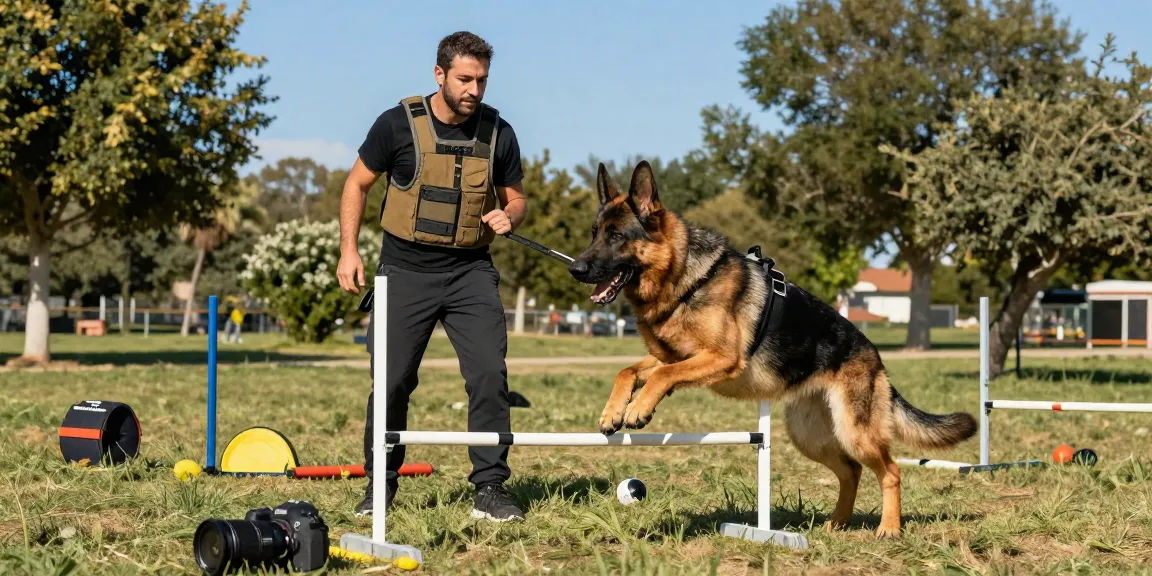
Understanding the Importance of K9 Equipment
In the world of canine training, the right gear is vital for ensuring the safety, comfort, and effectiveness of both the handler and the dog. ROKOK88 specializes in high-quality K9 equipment designed to meet the challenges faced by working dogs and their handlers. Whether you are training a service dog, search and rescue canine, or protection dog, utilizing appropriate gear is fundamental to achieving successful training outcomes. When exploring options, rokok 88 provides comprehensive insights into the essential equipment needed.
What is K9 Gear and Why is it Essential?
K9 gear refers to a variety of specialized equipment and accessories designed for working dogs. This includes harnesses, leashes, collars, muzzles, and training aids specifically engineered for high performance and durability. The importance of selecting the right K9 gear cannot be overstated; it plays a crucial role in the successful training of dogs for various tasks. Proper equipment not only enhances the dog’s ability to perform but also ensures their safety and comfort during training exercises.
Benefits of Choosing Quality Tactical Gear
Quality tactical gear is built to withstand the rigors of training and fieldwork. Some benefits of choosing high-grade equipment include:
- Durability: Materials used in quality gear are often resistant to wear and tear, ensuring longevity.
- Safety: Well-designed gear protects the dog and handler from injuries during active training sessions.
- Functionality: Tactical gear is designed with specific functions in mind, enhancing training efficiency.
- Comfort: Ergonomically designed equipment allows for natural movement and reduces stress on the dog.
Common Misconceptions About K9 Equipment
There are various misconceptions regarding K9 gear which can lead to poor choices. Some common myths include:
- K9 equipment is interchangeable with regular pet gear.
- All harnesses fit all dogs, regardless of size and breed.
- Price always reflects quality; less expensive gear can be inadequate.
Understanding these misconceptions is essential for making informed decisions when selecting gear for your K9.
Selecting the Right Harness and Leash
Choosing the appropriate harness and leash is imperative to get the best results during training. The right combination helps establish control and builds a trust bond between the dog and handler.
Key Features to Look for in K9 Harnesses
When selecting a harness, consider the following features:
- Adjustability: A harness should be adjustable to accommodate different body types and sizes.
- Material Quality: Opt for high-strength materials that can endure strenuous activity.
- Padding: Look for harnesses with padding to prevent chafing and discomfort.
- Attachment Points: Multiple attachment points allow for versatility in training.
Choosing the Appropriate Leash for Training
A high-quality leash is vital for effective training sessions. Consider the following when choosing a leash:
- Length: A leash that is too long can create confusion. Opt for a length that provides control.
- Material: Leashes made from durable materials resist tearing and breakage.
- Handle Comfort: Ensure that the handle provides a comfortable grip for extended use.
How to Measure Your K9 for Optimal Fit
Measuring your dog correctly is essential for selecting the right size harness. To measure:
- Measure around the widest part of the dog’s chest.
- Measure the neck circumference if the harness has a neck component.
- Check the manufacturer’s sizing chart to select the appropriate size.
Functional Training Gear for K9s
The right training gear is essential for maximizing the effectiveness of your training sessions. Different types of training gear serve various purposes and enhance the overall training experience.
Types of Training Gear and Their Uses
Training gear comes in various forms, including:
- Dummy Toys: Used for bite training and retrieval exercises.
- Agility Equipment: Assists in developing speed and coordination.
- Clickers: Helps reinforce positive behaviors during training.
How Tactical Gear Enhances Training Effectiveness
Using tactical gear allows handlers to maintain control while creating an environment conducive to learning. Gear designed for functionality often includes features allowing for smooth transitions between different training activities.
Integrating Gear into Daily Training Routines
Consistency is key to effective training. Integrate the use of tactical gear into your daily training regimen by:
- Establishing a routine that includes warm-up sessions with proper gear.
- Creating exercises that incorporate different types of gear to enhance skill acquisition.
- Monitoring the dog’s comfort and performance with the gear to make necessary adjustments.
Maintenance and Care of K9 Equipment
Keeping K9 gear in good condition is crucial for safety and performance. Proper maintenance extends the life of the equipment and ensures it remains effective.
Best Practices for Cleaning and Storing Gear
To maintain your K9 equipment:
- Regularly clean harnesses and leashes according to the manufacturer’s instructions.
- Store gear in a cool, dry place to prevent mold and damage.
- Avoid exposing gear to harsh chemicals that could deteriorate materials.
How to Inspect Gear for Safety and Durability
Before each training session, inspect equipment for:
- Signs of wear and tear, such as fraying or cracking materials.
- Functional components, like buckles and clasps, to ensure they operate smoothly.
- Loose stitching or weak points that may compromise safety.
Signs Your K9 Equipment Needs Replacement
It’s important to monitor your gear for replacement signs:
- Visible damage that affects its integrity.
- Inconsistent performance during training.
- Changes in fit that could compromise the dog’s safety.
Future Trends in K9 Tactical Gear
The K9 industry is constantly evolving, and future trends are paving the way for innovative advancements in tactical gear.
Innovations in Materials and Design for 2026
As we look ahead, innovations such as lightweight, breathable materials that offer both durability and comfort are on the rise. Designs may focus on agility and versatility, ensuring that the gear adapts to the dog’s body movements.
Emerging Technologies in K9 Training Gear
Technological advances may introduce smart gear that can track performance metrics, monitor health signs, and provide feedback to handlers. These innovations could enhance training effectiveness and promote safety.
Anticipated Developments in K9 Training Practices
Future training methodologies are likely to incorporate data analytics and behavioral science to tailor training approaches to individual K9s, making gear selection even more critical.
What are the signs I need new K9 equipment?
Regularly assess your gear for signs of wear, performance issues, or comfort concerns. If equipment consistently fails to meet expectations, it may be time for an upgrade.
How can I ensure my K9 is comfortable with their gear?
Fit gear properly, introduce it gradually, and monitor your dog’s behavior during use to ensure comfort. Positive reinforcement can help them acclimate.
What types of gear are best for specific training activities?
Research the type of training you plan to conduct and select gear that aligns with those objectives. For example, agility training requires different equipment than scent detection.
How often should I update my K9’s tactical gear?
Regularly evaluate your gear’s condition. Update equipment at the first sign of substantial wear or when it no longer fits correctly.
Are all harnesses suitable for everyday use?
Not all harnesses are designed for daily use. Choose a harness that offers both functionality for training and comfort for everyday activities to ensure its suitability.